Why Low Testosterone Goes Undiagnosed in Millions of Men
To begin with, feeling exhausted despite adequate sleep? Struggling to focus at work or losing motivation for activities you once enjoyed? You’re not alone, and it might not be “just stress” or normal aging.
In fact, low testosterone affects nearly 40% of men over 35, yet it remains one of the most underdiagnosed health conditions in men. This is because symptoms develop gradually over months or years, and as a result, they are easy to dismiss as life circumstances, work stress, or getting older.
Consequently, many men suffer unnecessarily for years because they don’t recognize the warning signs or assume these issues are “just part of life.” However, when testosterone levels drop below optimal ranges, it affects everything from your energy and mental clarity to your relationships and career performance.
In summary, this guide will help you identify the most common signs of low testosterone and show you exactly what steps to take if and when you recognize these patterns in your own life.

Top 10 Signs of Low Testosterone
1. ⚡ Chronic Fatigue and Low Energy
To begin with, even after a full night’s sleep, you still feel exhausted. This isn’t just being tired after a long workday—it’s the kind of fatigue that coffee can’t fix. In fact, men with low T often describe feeling like they’re “running on empty” even first thing in the morning, needing afternoon naps despite adequate sleep, or feeling completely drained by activities that used to energize them.
2. 🧠 Brain Fog and Memory Issues
Additionally, can’t focus like you used to? Struggling to find the right words in meetings or forgetting important details? As a matter of fact, men experiencing low T often report feeling like they’re thinking through fog. As a result, tasks that used to be automatic now require significant mental effort—re-reading emails multiple times, losing your train of thought mid-conversation, or struggling to stay focused during important meetings.
3. 💔 Decreased Sex Drive and Performance
Furthermore, a significant drop in libido is often the first red flag that prompts men to seek help. This goes beyond wanting sex less frequently—men with low T may experience difficulty achieving or maintaining erections, reduced sensitivity, or complete loss of spontaneous sexual thoughts. In many cases, morning erections become rare or disappear altogether.
4. 💪 Loss of Muscle Mass and Strength
Similarly, if you’re working out regularly but still losing muscle mass or strength, your hormone levels may be working against you. In other words, men with low T notice clothes fitting differently—shirts becoming loose in the shoulders and arms while pants get tighter around the waist. Weights that used to feel manageable now seem heavier, and muscle gains from workouts become minimal.
5. 🍕 Increased Body Fat (Especially Around the Midsection)
As a consequence, low testosterone makes it easier to gain fat, particularly around the belly and chest areas. Many men develop increased abdominal fat, love handles, and sometimes enlarged breast tissue (gynecomastia). Even though this weight gain often occurs despite maintaining the same diet and exercise habits that previously kept them lean, it can still be frustrating.
6. 😤 Mood Changes and Irritability
Moreover, testosterone significantly influences mood regulation and emotional stability. Consequently, men with low T frequently experience irritability, anxiety, depression, and a general lack of motivation. These changes can be subtle initially—at first, perhaps you’re more easily frustrated by minor inconveniences, or you’ve lost enthusiasm for hobbies you used to enjoy.
7. 😴 Poor Sleep Quality and Sleep Disturbances
Equally important, low testosterone and sleep problems create a vicious cycle. As a result, men with low T often experience difficulty falling asleep, frequent nighttime wake-ups, or waking up feeling unrefreshed despite spending adequate time in bed. In some cases, some also develop sleep apnea, which further disrupts hormone production.
8. 🏃 Reduced Strength and Endurance
Likewise, if your workouts feel harder than usual or you can’t recover the way you used to, low testosterone may be affecting your physical performance. In particular, this includes both strength training and cardiovascular endurance—activities that used to feel manageable now leave you feeling depleted.
9. 🎯 Decreased Motivation and Drive
In fact, loss of ambition, drive, or that “go-getter” mindset? Testosterone is tightly linked with dopamine, which affects motivation and reward systems in the brain. As a result, men often describe losing their competitive edge or feeling less driven to pursue goals and challenges.
10. 🪒 Hair Loss or Thinning
Finally, while more commonly linked with genetics, testosterone imbalances can contribute to sudden or increased hair thinning, particularly on the scalp. Unlike typical male pattern baldness, this often occurs more rapidly.
The Hidden Clues Most Men Miss
Beyond the obvious symptoms, several subtle signs often go unnoticed but can indicate low testosterone:
Physical Changes You Might Overlook:
Mental and Emotional Patterns:
Social and Relationship Changes:
Timing Patterns That Matter:
These subtle changes often develop so gradually that men adapt without realizing how much their quality of life has declined. Family members and close friends may notice these changes before you do.

The Only Way to Know for Sure: Comprehensive Testing
While symptoms provide important clues, it’s important to note that the only definitive way to diagnose low testosterone is through comprehensive blood testing. Moreover, self-diagnosis or relying solely on symptoms can be misleading, since many unrelated conditions may present with similar signs.
What Proper Testing Should Include:
Essential Hormone Markers:
- Total Testosterone — Overall testosterone in your blood (normal isn’t always optimal)
- Free Testosterone — The active form available to your tissues
- SHBG (Sex Hormone Binding Globulin) — Affects how much testosterone is available for use
- Estradiol — Testosterone converts to estrogen; balance is crucial
- LH/FSH — Pituitary hormones that signal testosterone production
Supporting Health Markers:
- Complete Metabolic Panel — Overall health and organ function
- Lipid Profile — Cholesterol and cardiovascular health
- Thyroid Panel — TSH, T3, T4 to rule out thyroid issues
- Vitamin D — Deficiency is common and affects testosterone production
- PSA (Prostate-Specific Antigen) — Baseline prostate health marker
Timing Matters for Accurate Results:
- Test in the morning — Testosterone levels are highest between 7-10 AM
- Avoid testing when sick — Illness can temporarily suppress hormone levels
- Consider multiple tests — Hormone levels can fluctuate; one test may not be definitive
- Fast appropriately — Some markers require 8-12 hours of fasting
Understanding Your Results:
Many labs use “normal” ranges that are too broad and based on all men, including those with low testosterone. What’s “normal” for a 70-year-old may not be optimal for a 40-year-old.
Typical Lab “Normal” Ranges:
- Total Testosterone: 300-1000 ng/dL
- Free Testosterone: 9-30 pg/mL
Optimal Ranges for Symptom Relief:
- Total Testosterone: 600-1000 ng/dL
- Free Testosterone: 15-25 pg/mL
If your levels fall in the lower portion of the “normal” range but you’re experiencing symptoms, you may still benefit from treatment.
Red Flags During Testing:
- For example, providers who only test total testosterone may overlook important hormonal nuances.
- Additionally, some labs fail to distinguish between optimal ranges and merely normal reference ranges.
- Furthermore, testing conducted in the afternoon or evening can lead to inaccurately low readings due to natural daily fluctuations.
- In many cases, providers may refuse to test key supporting markers such as estradiol or SHBG, limiting the accuracy of the assessment.
- Finally, some clinicians may dismiss symptoms simply because levels fall within the “normal” range, even when those levels are not optimal for the individual.
What to Do If You Suspect Low Testosterone
If you recognize multiple symptoms from the lists above, here’s your step-by-step action plan:
Step 1: Document Your Symptoms (1 Week)
Before seeking medical care, spend a week tracking:
- Energy levels throughout the day (rate 1-10 hourly)
- Sleep quality and duration (how long to fall asleep, wake-ups, morning feeling)
- Mood and motivation levels (rate daily, note triggers)
- Physical symptoms (strength, endurance, recovery time)
- Impact on work and relationships (specific examples of how symptoms affect daily life)
This documentation helps providers understand the severity and patterns of your symptoms.
Step 2: Choose the Right Healthcare Provider
Not all doctors are experienced in hormone optimization. Look for providers who:
- Specialize in men’s health or hormone therapy
- Understand optimal vs. normal hormone ranges
- Offer comprehensive testing panels
- Have experience treating symptomatic men with borderline-low levels
- Provide ongoing monitoring and support
- Explain treatment options clearly

Provider Options:
- Hormone specialist clinics — Most experienced with TRT
- Men’s health clinics — Focus specifically on male health issues
- Endocrinologists — Hormone specialists (may have longer wait times)
- Urologists — Often experienced with testosterone therapy
- Primary care physicians — Variable experience; may require specialist referral
Step 3: Prepare for Your Appointment
Bring Documentation:
- Symptom tracking log
- List of current medications and supplements
- Family history of hormone-related conditions
- Previous lab results if available
Questions to Ask:
Step 4: Understand Your Treatment Options
If testing confirms low testosterone, several proven treatments are available:
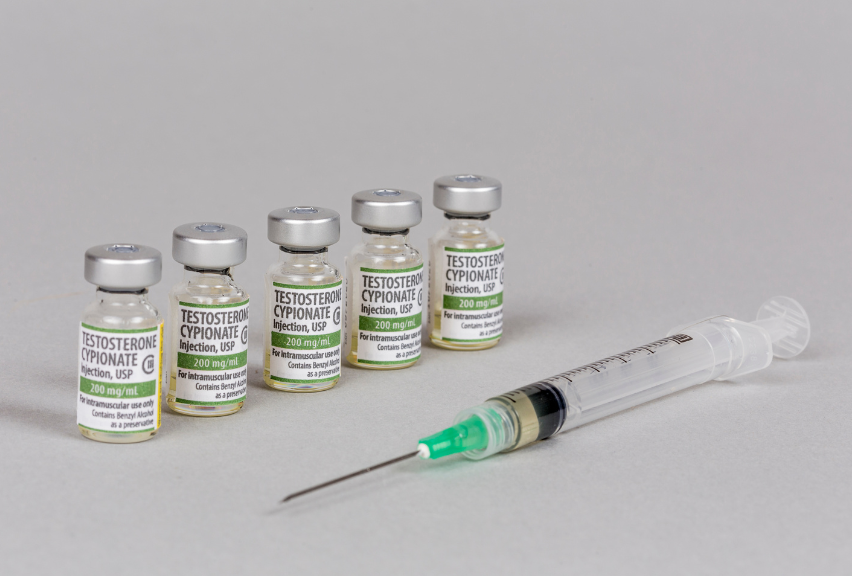
Injectable Testosterone
- Most common and cost-effective option
- Typically administered weekly or bi-weekly
- Predictable hormone levels with proper dosing
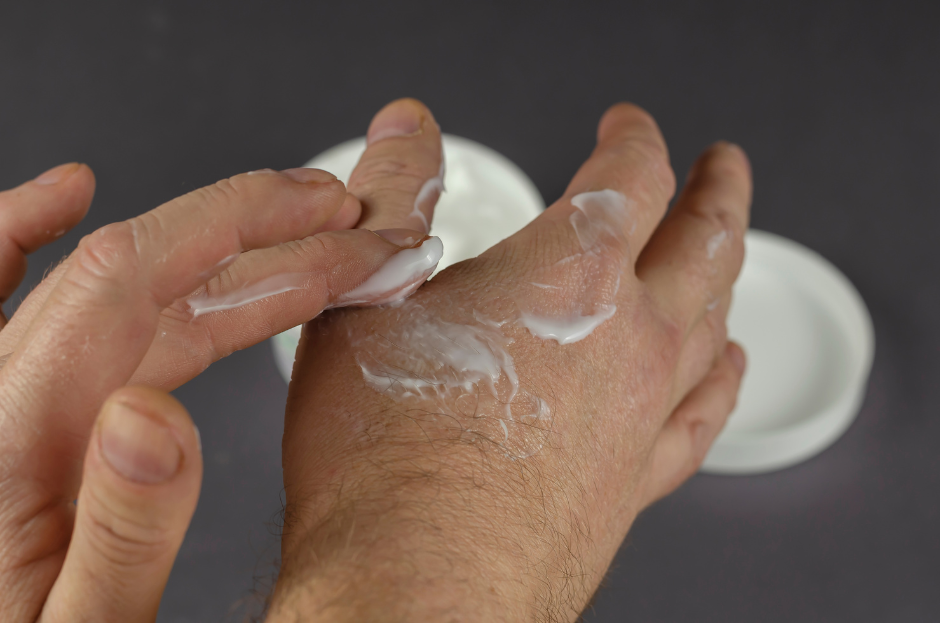
Topical Gels and Creams
- Daily application to skin
- Good option for men who prefer to avoid injections
- Risk of transfer to others requires precautions
Testosterone Pellets
- Inserted under the skin every 3-6 months
- “Set and forget” convenience
- Minor surgical procedure required

Lifestyle Optimization:
- Diet, exercise, sleep, and stress management
- Can support natural production in some cases
- Often combined with other treatments

Step 5: Consider Important Factors
Treatment Commitment:
- TRT is typically a long-term treatment
- Regular monitoring is required (labs every 3-6 months)
- Lifestyle factors significantly impact results
Realistic Expectations:
- Improvements typically begin within 2-6 weeks
- Full benefits may take 3-6 months to develop
- Results vary based on individual factors
Potential Side Effects:
- Increased red blood cell count (hematocrit)
- Acne or oily skin
- Sleep apnea (if predisposed)
- Mood changes during dose adjustments
- Possible impact on fertility
Step 6: Monitor and Optimize
If you begin treatment:
- Follow up regularly with your provider
- Track symptoms and improvements
- Maintain healthy lifestyle habits
- Communicate any concerns or side effects
- Be patient with the process—optimization takes time
Ready to Take Control of Your Health?
Don’t let low testosterone continue affecting your energy, focus, relationships, and career success. The symptoms you’re experiencing are real, treatable, and more common than you might think.
Vitality Centers NW specializes in comprehensive men’s hormone optimization:
Free initial consultation — Discuss your symptoms with experienced hormone specialists
Comprehensive testing — Full hormone panel and health evaluation
Personalized treatment plans — TRT protocols tailored to your specific needs and goal
Ongoing monitoring and support — Regular check-ins and optimization adjustments
Flexible care options — In-person and telehealth appointments available
Comprehensive approach – Hormone optimization plus lifestyle guidance and support
Contact Vitality Centers NW
TAKE THE FIRST STEP TODAY
Phone: (509) 279-5738
Schedule a free consultation with Vitality Centers NW to discuss your symptoms and explore personalized treatment options: Book Now
Remember, addressing low testosterone isn’t just about feeling better today — it’s an investment in your long-term health, relationships, and quality of life. Don’t wait for symptoms to worsen. The sooner you take action, the faster you can return to feeling energized, focused, and confident.
Frequently Asked Questions
Q: How many symptoms do I need to have low testosterone? There’s no magic number, but if you’re experiencing 3 or more persistent symptoms—especially fatigue, mood changes, and decreased libido—it’s worth getting tested. The pattern and impact on your life matter more than the total count.
Q: Can stress or poor sleep cause low testosterone? Yes, chronic stress elevates cortisol, which directly suppresses testosterone production. Poor sleep also reduces testosterone since most production occurs during deep sleep. However, if lifestyle improvements don’t resolve symptoms, hormone therapy may be needed.
Q: What’s the difference between “normal” and “optimal” testosterone levels? Lab “normal” ranges (typically 300-1000 ng/dL) include men of all ages, including those with low testosterone. Optimal ranges for symptom relief are usually 600-1000 ng/dL. You can have “normal” levels but still experience symptoms if you’re in the lower portion of the range.
Q: Are at-home testosterone tests accurate? At-home tests can provide preliminary information but aren’t as comprehensive or accurate as professional lab testing. They typically only measure total testosterone and may not account for timing or other important hormones. For diagnosis and treatment decisions, professional testing is recommended.
Q: How quickly will I feel better with treatment? Most men notice initial improvements in energy and mood within 2-4 weeks of starting properly managed TRT. Sexual function improvements typically occur within 4-6 weeks, while body composition changes (muscle gain, fat loss) become apparent after 3-6 months.
Q: Is testosterone therapy safe long-term? When properly monitored by experienced providers, TRT has an excellent safety profile for most men. Regular monitoring helps identify and address any potential issues early. The key is working with qualified providers who understand both the benefits and risks.
Q: Will I become dependent on testosterone therapy? TRT doesn’t create psychological dependence, but your body does adapt to the treatment. If you stop, testosterone levels return to their previous baseline and symptoms may return. This is why TRT is typically considered a long-term treatment for men with confirmed deficiency.
Related Articles:
- TRT vs. Peptides: What’s the Difference?
- TRT for Men Over 40: What to Expect in the First 90 Days
- How to Clear Brain Fog, Boost Energy, and Improve Mood with TRT
Disclaimer: This information is for educational purposes only and should not replace professional medical advice. Always consult with a qualified healthcare provider before starting any hormone therapy treatment. Individual results may vary.