Introduction
To begin with, considering testosterone replacement therapy but unsure about the financial commitment? You’re not alone. In fact, cost is one of the most common questions men have when exploring TRT, and for good reason—it’s typically a long-term investment in your health and quality of life.
However, while TRT isn’t free, it’s often more affordable than many men expect, especially when you consider the long-term value and compare it to the hidden costs of living with untreated low testosterone.
In this comprehensive guide, we’ll break down exactly what TRT costs in 2026, from different delivery methods to insurance considerations, so that you can clearly understand what you’re paying for and how to get the best value for your investment.

Factors That Affect TRT Costs
To begin with, TRT pricing isn’t one-size-fits-all. In fact, your total TRT cost depends on several key factors that can vary by provider, treatment type, and location.
Treatment Method
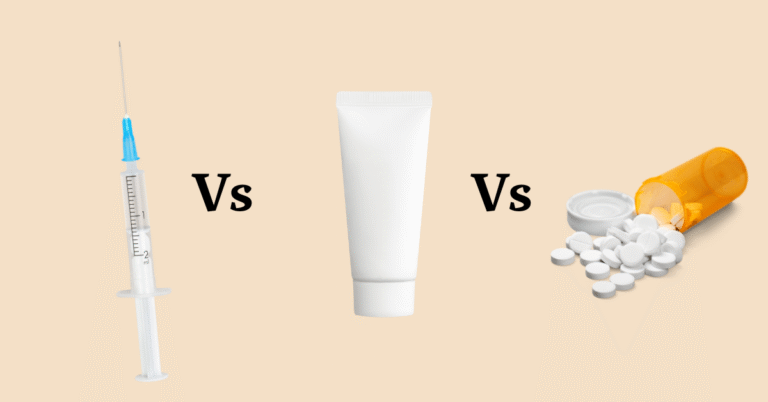
First, different delivery methods have significantly different price points — ranging from affordable injectable testosterone to more premium pellet procedures. Therefore, your chosen method will directly influence your overall TRT cost.
Provider Type
Next, costs vary dramatically between telehealth providers, specialty hormone clinics, primary care physicians, and academic medical centers. As a result, your choice of provider plays a major role in determining your final TRT cost.
Geographic Location
Additionally, TRT costs tend to be higher in major metropolitan areas and lower in rural regions, sometimes varying by as much as 30–50% between markets.
Insurance Coverage
Furthermore, whether your insurance covers TRT—and to what extent—can be the biggest factor in your out-of-pocket expenses. In many cases, partial coverage still leaves patients responsible for a significant portion of their TRT cost.
Level of Service
Moreover, pricing also depends on the type of care provided. Basic testosterone prescribing may be cheaper, while comprehensive hormone optimization with regular monitoring, lifestyle coaching, and personalized protocols will increase your TRT cost.
Additional Services
Finally, lab work, consultations, supplements, and other add-on services can significantly impact total costs. Thus, understanding what’s included in your treatment plan is essential for accurately estimating your total TRT cost.
2026 TRT Costs by Delivery Method
Injectable Testosterone (Most Popular)
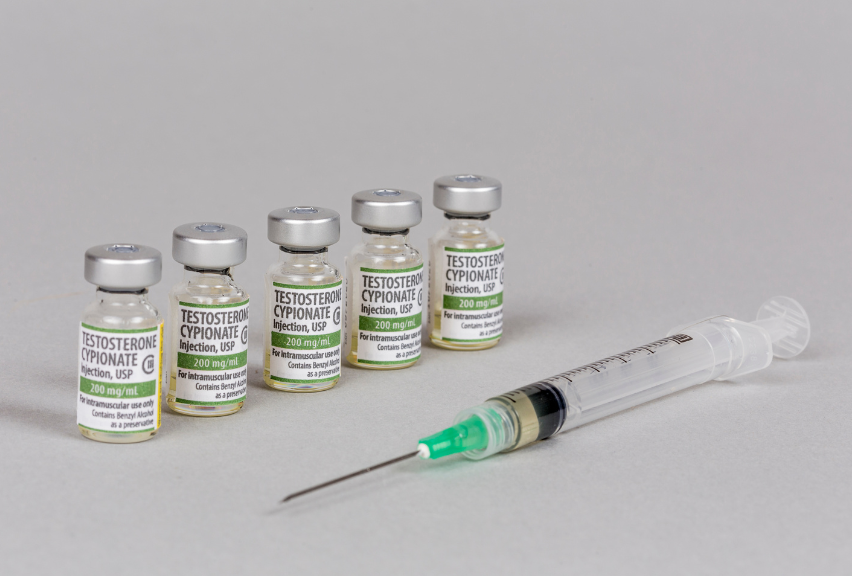
Generic Testosterone Cypionate or Enanthate:
- Monthly cost: $30–$100 per month (medication only)
- Additionally, syringes and needles: $10–$20 per month
- If self-administered, there’s no additional cost beyond supplies
- Clinic administration usually adds $25–$50 per injection
As a result, the total monthly cost typically ranges between $40–$150.
Why it’s popular: this option is the most cost-effective and delivers reliable results. Moreover, generic versions are widely available, helping to keep overall TRT costs low while maintaining therapeutic effectiveness.
Topical Testosterone (Gels and Creams)
Brand-Name Gels (AndroGel, Testim, Fortesta):
- Monthly cost: $300-600 without insurance
- With insurance: $50-200 (if covered)
Generic Gels:
- Monthly cost: $100-300
- With insurance: $30-100 (if covered)
Compounded Creams:
- Monthly cost: $50-$200
- Usually not covered by insurance
Total Monthly Cost: $50-$600 (wide range based on brand and insurance)
Considerations: Higher cost but needle-free convenience. Insurance coverage varies significantly.

Testosterone Pellets
Procedure Cost: $400-$1000 per treatment Frequency: Every 3-6 months (typically 4 months) Monthly Equivalent: $100-$200
Total Annual Cost: $1,200-$2,400
Benefits: “Set and forget” convenience, but higher upfront costs and less dosing flexibility.

Other Methods (Less Common)
Testosterone Patches:
- Monthly cost: $200-$400
- Often cause skin irritation
- Being phased out by most providers
Nasal Testosterone (Natesto):
- Monthly cost: $400-600
- Multiple daily applications
- Limited insurance coverage
Oral Testosterone: (Kyzatrex or Jatenzo)
- Monthly cost: $80-$160 without insurance coverage
- Jatenzo is sometimes covered with a pre authorization and two labs under 300 level testosterone

Complete Cost Breakdown: What’s Included
Initial Setup Costs
Comprehensive Lab Work:
- Initial hormone panel: $150-400
- Includes: Total T, Free T, Estradiol, LH, FSH, SHBG, Complete metabolic panel, Lipid profile, PSA, Vitamin D
Initial Consultation:
- For example, telehealth providers often offer consultations at no cost.
- In contrast, specialty clinics typically charge $100–300 per visit.
- Meanwhile, primary care costs vary depending on your insurance coverage.
Physical Examination:
- Often, these services are included as part of the consultation.
- However, in some cases a separate visit may be required, typically costing $100–200.
Ongoing Monthly Costs
Medication: Typically ranges from $30–600, depending on the delivery method.
Follow-up Labs: Additionally, expect to pay $75–200 every 3–6 months for ongoing monitoring.
Provider Consultations: In most cases, these run $50–200 per visit.
Monitoring and Adjustments: Often, these services are included in clinic memberships or subscription plans.
Optional Add-Ons
HCG (Fertility Preservation): Typically $50–150 per month, depending on dose and pharmacy.
Aromatase Inhibitors: Additionally, these usually cost around $20 per month.
Supplements: In many cases, expect to spend $30–100 per month, depending on product quality and needs.
Additional Peptides: For those who choose to add them, costs generally range from $100–400 per month.
Insurance vs Cash-Pay Comparison
|
Aspect |
Insurance-Based TRT |
Cash-Pay/Membership |
|
Monthly Cost |
$30-150 (if covered) |
$150-400 (all-inclusive) |
|
Coverage Requirements |
Must meet strict criteria |
No restrictions |
|
Testosterone Ranges |
“Normal” lab ranges |
Optimal ranges |
|
Customization |
Limited protocols |
Fully personalized |
|
Provider Choice |
In-network only |
Choose any provider |
|
Additional Therapies |
Rarely covered |
Often included |
|
Appointment Access |
May have delays |
Direct access |
Insurance Coverage Reality Check
When Insurance May Cover TRT:
Common Insurance Limitations:
Why Many Men Choose Cash-Pay:
Provider Type Cost Comparison
Telehealth TRT Companies
- Monthly Cost: $99-299 (all-inclusive)
- Pros: Convenient, often include labs and medication
- Cons: Limited personalization, one-size-fits-all protocols
Primary Care Physicians
- Monthly Cost: $50-200 (with insurance)
- Pros: Insurance coverage, established relationship
- Cons: Limited expertise, basic protocols
Specialty Hormone Clinics
- Monthly Cost: $200-500
- Pros: Expertise, comprehensive care, personalized protocols
- Cons: Higher cost, may not take insurance
Compounding Pharmacies with Providers
- Monthly Cost: $150-350
- Pros: Custom formulations, competitive pricing
- Cons: Quality varies, less oversight
Hidden Costs to Consider
Time and Convenience Factors
Quality of Life Impacts
Alternative Treatment Costs
Many men spend significant money on ineffective alternatives:
- Testosterone “boosters”: $50-150/month
- Energy supplements: $100-300/month
- Multiple doctor visits: $200-500/month
- Sleep aids and mood supplements: $50-200/month
Annual Alternative Treatment Costs: Often $1,500-4,000+ with minimal results
Value Analysis: What You’re Really Paying For
Basic TRT (Prescription Only)
To start, this is the option most patients choose for a balanced combination of cost and care.
- Cost: $40–100/month
- Includes: testosterone prescription only
- However, limitations include no monitoring, basic dosing, and limited support.
Standard TRT (Most Common)
- Cost: $150–300/month
- Includes: medication, basic monitoring, and provider access
- Additionally, benefits include regular adjustments and safety monitoring to ensure more consistent results.
Comprehensive Hormone Optimization
Finally, this level offers the most complete and proactive care plan.
- Cost: $300–500/month
- Includes: full hormone panel, lifestyle coaching, peptides, and supplements
- Moreover, benefits include a complete wellness approach designed for long-term balance and maximum results.
The ROI of Effective TRT

Career Benefits:

Relationship Benefits:

Health Benefits:

Quality of Life:
Cost-Saving Strategies
Shop Smart for Cash-Pay Options
- Start by comparing all-inclusive pricing across providers.
- Then, ask about package deals for longer commitments.
- Moreover, consider telehealth options for basic TRT treatment.
- Lastly, look for providers who include lab work in their pricing.
Maximize Insurance Benefits
- First, work with in-network providers whenever possible.
- Additionally, use FSA/HSA accounts for eligible medical expenses.
- If denied, appeal insurance claims with proper documentation.
- Finally, consider generic options when appropriate to keep costs manageable
Optimize Your Protocol
- Begin with cost-effective injectable testosterone.
- Add additional therapies only when clinically necessary.
- Whenever possible, use generic medications.
- Also, consider self-injection to reduce in-office visit costs.
Long-Term Planning
- Budget for at least 12+ months of treatment.
- Include periodic lab work costs in your budget.
- Plan for potential dose adjustments as your treatment evolves.
- And importantly, consider the financial implications of stopping and restarting therapy.
Red Flags: When “Cheap” TRT Costs More
Warning Signs of Low-Quality Providers:
- First, unusually low pricing with hidden fees
- Next, no lab monitoring included
- Additionally, one-size-fits-all dosing
- Furthermore, limited provider access
- Moreover, no medical oversight
- Finally, unrealistic promises about results
Why Cutting Corners Backfires:
- Inadequate monitoring leads to side effects
- Poor dosing creates inconsistent results
- No support leads to treatment abandonment
- Side effects require additional medical care
- Time lost feeling unwell
Geographic Cost Variations
Higher Cost Areas:
- Major metropolitan areas (NYC, LA, SF)
- Areas with limited provider competition
- Regions with higher cost of living
Lower Cost Areas:
- Rural and suburban markets
- Areas with multiple competing providers
- Regions with lower overhead costs
Typical Regional Variations:
- West Coast: 20-30% above national average
- Northeast: 15-25% above national average
- Southeast: 5-15% below national average
- Midwest: 10-20% below national average
Making TRT Affordable
Payment Options
- First, Monthly Payment Plans: most providers offer monthly billing for convenience.
- Next, Annual Discounts: some clinics provide 10–15% savings for those who choose to pay annually.
- Additionally, HSA/FSA: use tax-advantaged accounts when eligible to lower your out-of-pocket costs.
- Finally, Medical Financing: third-party financing options are also available for added flexibility.
Insurance Strategies
- To begin with, Appeal Process: work with providers experienced in handling insurance appeals.
- In addition, Documentation: ensure proper medical documentation to support your coverage claim.
- Furthermore, In-Network Benefits: maximize covered services whenever possible to reduce expenses.
- Lastly, Secondary Insurance: consider supplemental coverage to help offset remaining costs.
Budget Planning
- First, Total Annual Cost: budget for $2,000–6,000 annually to account for ongoing care.
- Next, Startup Costs: plan for higher first-year expenses due to initial labs and setup fees.
- Then, Ongoing Expenses: factor in regular lab work and treatment adjustments over time.
- Finally, Emergency Fund: budget for unexpected medical costs to stay financially prepared.

Is TRT Worth the Investment?
Consider TRT a Worthwhile Investment If:
- First, you have confirmed testosterone deficiency
- Next, symptoms significantly impact your quality of life
- Then, you’ve tried lifestyle modifications without success
- Additionally, you can commit to long-term treatment and monitoring
- Finally, the cost fits within your healthcare budget
The Cost of NOT Treating Low Testosterone:
- Continued decline in quality of life
- Potential cardiovascular health risks
- Ongoing relationship and career challenges
- Money wasted on ineffective alternatives
- Progressive worsening of symptoms
Real Patient Perspective:
Many men find that effective TRT pays for itself through:
- To begin with, improved work performance and earning potential
- Additionally, reduced healthcare costs from related conditions
- Moreover, elimination of ineffective supplement expenses
- Finally, better relationships and overall life satisfaction
Finding the Right Value for Your Situation
Questions to Ask Potential Providers:
- What’s included in your monthly fee?
- How often do you monitor patients?
- What additional costs should I expect?
- Do you work with insurance?
- What happens if I need dose adjustments?
- What support do you provide between appointments?
Evaluating Total Value:
Don’t choose based on price alone. Consider:
Ready to Invest in Your Health?
Ultimately, understanding TRT costs helps you make an informed decision about this important investment in your health and quality of life. While the expense is real, nevertheless, many men find the benefits far outweigh the costs.
Contact Vitality Centers NW
Get clear pricing information:
Phone: (509) 279-5738
Online: Schedule your free consultation at https://connect.vitalitycentersnw.com/free-consult
Vitality Centers NW offers transparent, competitive TRT pricing:
Multiple payment options — Monthly plans and HSA/FSA accepted
No travel required – Complete care from home including lab testing and consultations
Free consultation – No-cost initial consultation
Transparent pricing – No hidden fees or surprise charges
Insurance coordination — We’ll help maximize your benefits
Comprehensive care — Labs, monitoring, and support included
Therefore, don’t let cost concerns prevent you from exploring a treatment that could significantly improve your quality of life. Instead, get accurate pricing information and explore your options today.

Frequently Asked Questions
Everything You Need to Know About TRT Treatment and Costs
Q: Does insurance typically cover TRT?
Generally speaking, insurance coverage varies significantly. In many cases, some plans cover TRT for men with clinically diagnosed hypogonadism (usually testosterone below 300 ng/dL). However, many insurers require extensive documentation and prior authorization. Even when approval is granted, coverage may only include generic injectable testosterone and may exclude optimal monitoring—both of which can influence your overall TRT cost.
Q: What’s the most cost-effective TRT option?
Typically, generic injectable testosterone cypionate is the most affordable choice, usually ranging from $40–150 per month including supplies. At the same time, the “best value” ultimately depends on your specific goals, lifestyle, and treatment response. Therefore, it’s important to work closely with your provider to determine the most effective option for both your results and your TRT cost management.
Q: Are there financing options for TRT?
Fortunately, many clinics now offer monthly payment plans, and some accept medical financing through companies like CareCredit. In addition, HSA and FSA funds can often be used for TRT expenses, providing potential tax benefits. As a result, this financial flexibility helps make TRT more manageable and accessible for a broader range of patients.
Q: How much should I budget for the first year of TRT?
On average, you should plan to budget between $2,500–6,000 for your first year, including initial labs, consultations, and treatment. Typically, the first year carries higher expenses due to setup costs and more frequent monitoring. Nonetheless, most patients find that their overall TRT cost stabilizes once this initial adjustment phase is complete.
Q: Do TRT costs increase over time?
In most cases, monthly medication prices remain consistent, although occasional dose adjustments or additional therapies may be required. Furthermore, ongoing lab monitoring and optional add-ons (such as HCG or peptides) can slightly influence your total TRT cost. Even so, expenses generally remain predictable once your dose and routine are established.
Q: Can I reduce TRT costs by using online providers?
Yes. Online or telehealth providers often offer competitive pricing—typically around $99–299 per month, all-inclusive. However, these services may provide less personalized care and less frequent monitoring. Therefore, it’s wise to evaluate the overall value — not just the monthly price — when comparing TRT cost and treatment quality.
Related Articles:
- TRT for Beginners: How Testosterone Therapy Actually Works
- Injectable vs Topical Testosterone: Which One’s Right for You?
- Is TRT Safe Long-Term? What the Science Actually Says
Disclaimer: Prices mentioned are estimates based on 2026 market research and may vary by location and provider. Always confirm current pricing with providers. This information is for educational purposes only and should not replace professional medical advice.