
Introduction
Considering testosterone replacement therapy but have questions about the process, costs, results, or safety? If so, this comprehensive FAQ guide addresses the most common concerns men have when exploring TRT as a treatment option for low
Specifically, from understanding what qualifies you for treatment to knowing what to expect during your first months of therapy, these evidence-based answers will, ultimately, help you make informed decisions about your health.

What is Testosterone Replacement Therapy (TRT)?
In essence, TRT (testosterone replacement therapy) is a medically supervised treatment that restores healthy testosterone levels in men diagnosed with hypogonadism or clinically low testosterone. In other words, the therapy aims to alleviate symptoms associated with testosterone deficiency and therefore improve overall quality of life.
Specifically, the primary goals of Testosterone Replacement Therapy (TRT) include:
TRT is not a performance enhancement treatment; instead, it is a medical intervention for men with documented testosterone deficiency and related symptoms.
What are the symptoms of low testosterone?
For example, low testosterone can manifest through various physical, mental, and emotional symptoms:

Physical Symptoms:

Sexual and Reproductive Symptoms:

Mental and Emotional Symptoms:
Important note: However, these symptoms can also result from other medical conditions, making proper medical evaluation essential for accurate diagnosis.
What are the types of testosterone replacement therapy delivery methods?
To begin with, several delivery methods are available for testosterone replacement therapy (TRT):
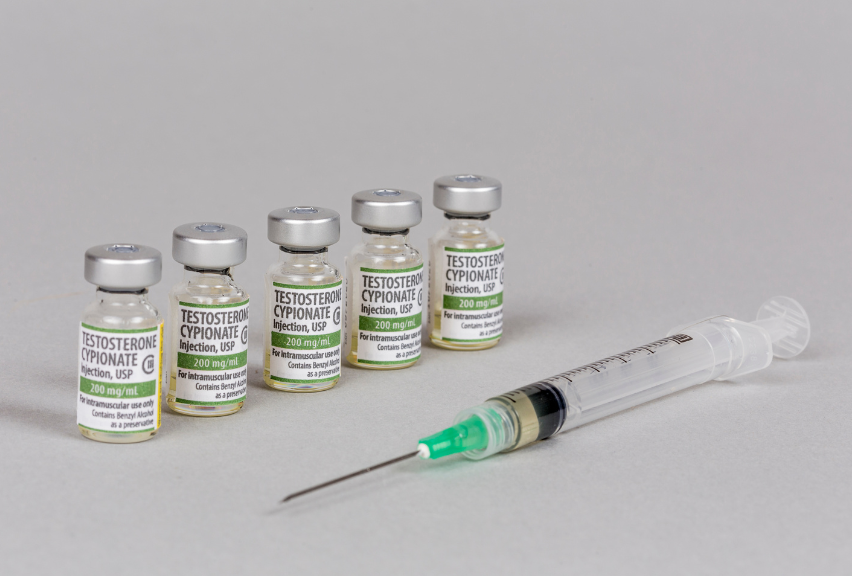
Injectable Testosterone
- Forms: Testosterone cypionate, enanthate, or propionate
- Frequency: Weekly or bi-weekly injections
- Pros: On the positive side, they are the most cost-effective, predictable absorption, stable levels
- Cons: On the other hand, they require injections, potential for hormone level fluctuations
Topical Applications
- Forms: Gels, creams, or solutions applied to skin
- Frequency: Daily application
- Pros: On the plus side, no injections are required, easy to use, adjustable dosing
- Cons: However, risk of transfer to others, daily commitment, higher cost

Testosterone Pellets
- Procedure: Surgically implanted under the skin
- Frequency: Every 3-6 months
- Pros: As a benefit, they are a set-and-forget convenience, steady hormone release
- Cons: In contrast, minor surgical procedure, difficult to adjust dosing

Other Methods
Additionally, other methods include:
- Nasal gels: Applied to nasal passages multiple times daily
- Oral preparations: Less common due to potential liver effects
- Buccal tablets: Applied to gums twice daily

Related: Injectable vs Topical Testosterone: Which One’s Right for You?
How do I know if I qualify for Testosterone Replacement Therapy (TRT)?
Generally, TRT qualification typically requires meeting specific medical criteria:
Laboratory Requirements:
- Total testosterone levels consistently below normal ranges (often <300 ng/dL)
- Free testosterone levels below optimal ranges
- Multiple morning blood tests to confirm low levels
Symptom Assessment:
- Documented symptoms consistent with testosterone deficiency
- Symptoms that significantly impact quality of life
- Duration and severity of symptoms
Medical Evaluation:
- Comprehensive physical examination
- Review of medical history and current medications
- Evaluation by a licensed healthcare provider
- Rule out other potential causes of symptoms
Exclusion Criteria:
However, Certain conditions may disqualify candidates for TRT:
- Active prostate or breast cancer
- Severe heart failure
- Untreated sleep apnea
- Recent heart attack or stroke
- Plans for immediate fertility
Is Testosterone Replacement Therapy (TRT) covered by insurance?
In many cases, Insurance coverage for TRT varies significantly and depends on several factors:
When Insurance May Cover Testosterone Replacement Therapy (TRT):
- Documented testosterone levels below specific thresholds (typically <300 ng/dL)
- Clear symptoms of hypogonadism
- Proper diagnostic coding by healthcare providers
- Prior authorization approval
- In-network provider prescribing
Common Coverage Limitations:
However, common coverage limitations include…
- First, strict testosterone level requirements
- Next, limited to specific formulations (usually generic injectable)
- Then, requires multiple lab tests confirming deficiency
- Additionally, may not cover monitoring labs or follow-up care
- Finally, prior authorization processes can cause delays
Alternative Payment Options:
On the other hand, you can consider payment options such as
- Health Savings Accounts (HSA) or Flexible Spending Accounts (FSA)
- Cash-pay programs offered by specialized clinics
- Patient assistance programs from manufacturers
- Generic medication options to reduce costs
Related: How Much Does TRT Cost?
How long does it take to feel results from Testosterone Replacement Therapy (TRT)?
Generally speaking, TRT results develop gradually as hormone levels stabilize:
Weeks 1-2: Initial Changes
Weeks 3-6: Building Momentum
Months 2-3: Noticeable Improvements
6+ Months: Long-term Benefits

Important: Nevertheless, individual responses vary significantly. Some men notice changes sooner, while others may take longer to experience full benefits.
What labs are tested before and during Testosterone Replacement Therapy (TRT)?
To ensure safety, comprehensive laboratory monitoring is essential for safe and effective TRT:
Pre-Treatment Testing:
- Total Testosterone: Baseline hormone levels
- Free Testosterone: Bioavailable hormone measurement
- SHBG: Sex hormone binding globulin
- LH & FSH: Pituitary hormone function
- Estradiol: Baseline estrogen levels
- PSA: Prostate health screening
- Complete Blood Count: Baseline blood parameters
- Comprehensive Metabolic Panel: Liver and kidney function
- Lipid Panel: Cardiovascular risk assessment
Ongoing Monitoring (Every 3-6 Months):
- Testosterone levels: Ensuring therapeutic ranges
- Hematocrit: Monitoring red blood cell levels
- Estradiol: Managing estrogen conversion
- PSA: Continued prostate monitoring
- Liver function: Safety monitoring
Additional Tests When Indicated:
- Thyroid function tests
- Vitamin D levels
- DHEA-S
- Cortisol levels
- Sleep study for sleep apnea
What are the side effects of Testosterone Replacement Therapy (TRT)?
While most men tolerate TRT well, potential side effects should be understood:
Common Side Effects:
- Increased red blood cell count: May require blood donation
- Water retention: Usually temporary and dose-related
- Acne or oily skin: Often improves as levels stabilize
- Sleep disturbances: May occur during adjustment period
Hormonal Effects:
In addition, hormonal effects may include…
- Testicular shrinkage: Due to suppressed natural production
- Reduced fertility: Can be managed with additional medications
- Estrogen conversion: May require management with aromatase inhibitors
Cardiovascular Considerations:
- Blood pressure changes
- Cholesterol level alterations
- Potential impact on cardiovascular risk factors
Rare but Serious Side Effects:
In rare cases, serious side effects can occur…
- Blood clots
- Severe sleep apnea
- Significant mood changes
- Liver problems (primarily with oral forms)
Related: Common Side Effects of TRT (And What You Can Do About Them)

Can I travel with testosterone medications?
Fortunately, traveling with testosterone is legal and manageable with proper preparation:
Domestic Travel Guidelines:
- To start, keep medications in original pharmacy containers
- Also, carry your prescription or letter from your doctor
- When traveling, pack medications in carry-on luggage when possible
- Lastly, bring extra supplies in case of travel delays
International Travel Considerations:
However, international travel requires additional consideration…
- Research destination country regulations
- Carry prescription documentation
- Consider bringing a letter from your physician
- Check with embassies for specific requirements
- Understand quantity limitations
TSA and Security Procedures:
- Injectable medications are allowed in carry-on and checked luggage
- Inform security if carrying syringes
- Cold packs for temperature-sensitive medications are permitted
- Consider insulated carrying cases for temperature stability
Travel Planning Tips:
Finally, a few planning tips…
- Don’t miss doses due to travel
- Plan for time zone changes
- Consider timing injections around travel schedules
- Have backup plans for lost or damaged medications
Should I get TRT from a clinic or online provider?
Ultimately, both options have advantages depending on individual circumstances:
Traditional Testosterone Replacement Therapy (TRT) Clinics:
Advantages:
Disadvantages:
- Higher costs in many cases
- Travel required for appointments
- Limited appointment availability
- May have longer wait times
Telehealth/Online Providers:
Advantages:
Disadvantages:
- No in-person physical examination
- Requires home lab testing
- May not accept insurance
- Limited hands-on medical support
Therefore, consider factors such as…
- Your comfort level with telehealth
- Geographic access to specialized clinics
- Insurance coverage preferences
- Cost considerations
- Complexity of your medical situation

Frequently Asked Questions
Can I stop Testosterone Replacement Therapy (TRT) once I start?
In most cases, TRT is typically a long-term commitment. Stopping treatment will return testosterone levels to previous baselines, and symptoms may return. Some men choose to discontinue, but this should be done under medical supervision.
Will Testosterone Replacement Therapy (TRT) affect my fertility?
Generally,TRT can reduce sperm production and fertility. However, this effect is often reversible, and fertility can be preserved with medications like HCG or clomiphene. Discuss family planning goals with your provider.
How often do I need to see my provider?
Initially, follow-ups occur every 6-8 weeks during dose optimization. Later on, once stable, visits every 3-6 months are typical, with annual comprehensive evaluations.
Can I exercise while on Testosterone Replacement Therapy (TRT)?
In fact, exercise is encouraged and often enhances TRT benefits. Resistance training and cardiovascular exercise can help maximize improvements in body composition and overall health.
What if Testosterone Replacement Therapy (TRT) doesn’t work for me?
If this happens,, your provider may adjust dosing, change delivery methods, investigate other health issues, or explore alternative treatments. Still, not everyone is a good candidate for TRT.
Are there natural alternatives to Testosterone Replacement Therapy (TRT)?
In some cases, lifestylemodifications (sleep, exercise, nutrition, stress management) can help optimize natural testosterone production but may not be sufficient for men with significant deficiency. Unfortunately, supplements claiming to boost testosterone have limited evidence.
Ready to Learn More About Testosterone Replacement Therapy (TRT)?
This FAQ guide covers the basics, but every individual’s situation is unique. In conclusion, working with experienced healthcare providers ensures you receive personalized care based on your specific needs and health profile.
Vitality Centers NW provides comprehensive Testosterone Replacement Therapy (TRT) evaluation and treatment:
Free initial consultations to discuss your symptoms and concerns
Comprehensive testing to accurately assess your hormone status
Personalized treatment plans based on your individual needs
Ongoing monitoring and support throughout your treatment journey
Flexible care options including telehealth and in-person services
Comprehensive approach – lifestyle guidance and support
Contact Vitality Centers NW
TAKE THE FIRST STEP TODAY
Phone: (509) 279-5738
Online: Schedule your free consultation at https://connect.vitalitycentersnw.com/free-consult
Don’t let unanswered questions prevent you from exploring treatment options that could significantly improve your quality of life.
Related Articles:
- TRT for Beginners: How Testosterone Therapy Actually Works
- Is TRT Safe Long-Term? What the Science Actually Says
- TRT and Sleep: Why You’re Still Tired After Starting Treatment
- Peptides vs TRT for Fat Loss: Which Works Better?
Disclaimer: This information is for educational purposes only and should not replace professional medical advice. Always consult with qualified healthcare providers before starting any hormone therapy treatment. Individual results may vary.