Introduction
You finally took the step to start testosterone replacement therapy (TRT). Your testosterone levels have improved, some symptoms are better, but there’s one frustrating problem: you’re still waking up exhausted, struggling to fall asleep, or dragging through your days despite treatment.
If this sounds familiar, you’re not alone. Many men expect TRT to be a complete solution for fatigue and sleep problems, but the relationship between testosterone and sleep is more complex than simply raising hormone levels.
This guide explains why sleep problems can persist even with successful TRT, explores the intricate connections between hormones and sleep quality, and provides practical solutions for achieving the restorative sleep your body needs.
The Complex Relationship Between Testosterone and Sleep
How Testosterone Affects Sleep
Testosterone and sleep have a bidirectional relationship, meaning each significantly influences the other:
Testosterone’s Sleep Benefits:
Sleep’s Impact on Testosterone:
The Vicious Cycle
Men with low testosterone often experience:
- Poor sleep quality due to hormonal imbalance
- Reduced testosterone production from inadequate sleep
- Worsening sleep problems as testosterone continues declining
- Increased fatigue and daytime dysfunction
- Further sleep disruption from stress and health concerns
This cycle explains why some men continue experiencing sleep issues even after starting TRT—breaking the cycle requires addressing multiple factors simultaneously.
Research on Testosterone and Sleep Quality
Studies demonstrate clear connections between testosterone levels and sleep:
Sleep Quality Research:
- To begin with, men with testosterone levels below 300 ng/dL are twice as likely to report poor sleep quality
- Additionally, low testosterone is associated with increased sleep fragmentation and reduced deep sleep
- Furthermore, sleepapnea occurs more frequently in men with hormonal deficiencies
TRT Sleep Benefits:
- In contrast, men on TRT show improvements in sleep efficiency and total sleep time
- Moreover, REM sleep duration typically increases within 3-6 months of treatment
- As a result, sleep-related quality of life scores improve significantly with hormone optimization
However, these benefits may take time to manifest and depend on multiple factors beyond just testosterone levels.
Why TRT Doesn’t Always Fix Sleep Immediately
Hormonal Adjustment Period
When you start TRT, your body undergoes significant hormonal changes:
Initial Adaptation Phase (First 4-8 Weeks):
- Hormone levels fluctuate as your body adjusts to external testosterone
- Natural hormone production systems adapt to the new baseline
- Other hormones may temporarily become imbalanced during this transition
Stabilization Period (2-6 Months):
- Hormone levels gradually stabilize within target ranges
- Sleep improvements typically become more consistent
- Full benefits may not be apparent until this stabilization occurs
Underlying Sleep Disorders
Importantly, TRT cannot fix structural or behavioral sleep problems:
Sleep Apnea:
- In some cases, may actually worsen initially with TRT due to increased muscle mass
- Therefore, requires separate evaluation and treatment
- Otherwise, can prevent TRT from providing expected energy benefits
Sleep Hygiene Issues:
- Often, poor bedtime routines and sleep environment
- Additionally, inconsistent sleep schedules
- Moreover, stimulant use too close to bedtime
Stress and Mental Health:
- At times, anxiety and depression can persist despite hormone improvement
- Similarly, work stress and life circumstances affect sleep regardless of testosterone levels
- Consequently, may require additional interventions beyond hormone therapy
Protocol-Related Sleep Issues
Your specific TRT protocol can impact sleep quality:
Injection Timing and Frequency:
- Large weekly injections can create hormone level swings
- Peak levels may cause restlessness or insomnia
- Trough levels before next injection may cause fatigue
Estrogen Imbalances:
- Testosterone converts to estrogen, which also affects sleep
- Too much estrogen can cause restless sleep and night sweats
- Too little estrogen can lead to joint pain and sleep disruption
Factors That Can Interfere with TRT Sleep Benefits
Hormone Level Fluctuations
Injection Schedule Impact: Weekly injections can create significant hormone swings. Men may feel energetic for 2-3 days after injection, then experience declining energy and poor sleep as levels drop.
Solution: More frequent injections (twice weekly) or daily topical applications can provide more stable hormone levels and better sleep patterns.
Estrogen Imbalance Issues
High Estrogen Symptoms:
Low Estrogen Symptoms:
Sleep Apnea Considerations
TRT and Sleep Apnea: Research suggests TRT may worsen sleep apnea in some men, particularly those with:
- Higher BMI or neck circumference
- Pre-existing breathing abnormalities
- Family history of sleep apnea
Warning Signs:
- Loud snoring that worsens after starting TRT
- Witnessed breathing pauses during sleep
- Morning headaches
- Excessive daytime sleepiness despite adequate sleep time
- Dry mouth upon waking
Cortisol Rhythm Disruption
Healthy Cortisol Pattern:
- High in early morning to promote wakefulness
- Gradual decline throughout the day
- Lowest levels in the evening to promote sleepiness
Disrupted Patterns:
- High evening cortisol causes “wired but tired” feelings
- Low morning cortisol leads to difficulty waking up
- Irregular patterns create inconsistent energy and sleep quality
Lifestyle Factors

Alcohol Consumption:
- Even moderate drinking (2-3 drinks) can reduce REM sleep by up to 40%
- Disrupts sleep architecture and hormone production
- Creates fragmented, less restorative sleep

Blue Light Exposure:
- Evening screen time delays melatonin production
- Shifts circadian rhythm toward later bedtimes
- Reduces overall sleep quality

Caffeine Timing:
- Half-life of caffeine is 5-7 hours
- Afternoon caffeine can interfere with evening sleep
- May create dependence cycles that affect natural energy patterns
Comprehensive Approach to Sleep Optimization on TRT

Protocol Adjustments
Injection Frequency Modifications:
- Split weekly doses into twice-weekly injections
- Consider every-other-day or daily protocols for very sensitive individuals
- Monitor symptoms and energy patterns to find optimal timing
Delivery Method Changes:
- Switch from injections to daily topical applications
- Try different injection sites or techniques
- Consider testosterone pellets for most stable hormone levels

Hormone Monitoring and Balancing
Essential Lab Testing:
- Total testosterone and free testosterone
- Estradiol (sensitive assay for men)
- SHBG (sex hormone binding globulin)
- Cortisol (AM and PM levels or 4-point saliva test)
- Thyroid function (TSH, T3, T4)
- Vitamin D and B12 levels
Optimal Ranges for Sleep:
- Testosterone: 600-900 ng/dL for most men
- Free testosterone: 15-25 pg/mL
- Estradiol: 20-30 pg/mL (balanced, not eliminated)
- Morning cortisol: 15-25 mcg/dL
- Evening cortisol: 3-8 mcg/dL
Sleep Apnea Assessment
When to Test:
- Snoring that has worsened since starting TRT
- Partner reports breathing interruptions
- Morning headaches or dry mouth
- Excessive daytime sleepiness despite adequate sleep time
Testing Options:
- Home sleep apnea tests (convenient and cost-effective)
- In-lab polysomnography (more comprehensive)
- Consultation with sleep medicine specialists
Treatment Integration:
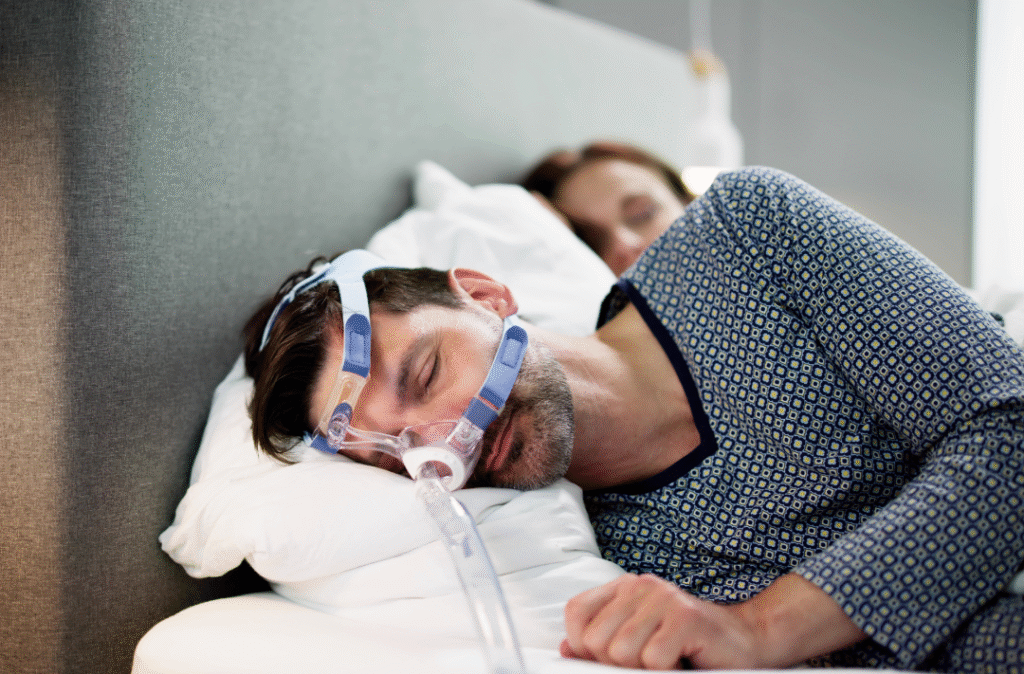
- CPAP therapy can dramatically improve energy levels
- Weight loss may reduce both sleep apnea and improve TRT effectiveness
- Positional therapy for mild cases

Lifestyle Sleep Optimization
Lifestyle Sleep Optimization
Sleep Hygiene Fundamentals:
Evening Routine Development:
Daytime Habits for Better Sleep:

Nutritional Support for Sleep
Nutritional Support for Sleep
Sleep-Supporting Nutrients:
- Magnesium glycinate: 200-400mg before bed for muscle relaxation
- Zinc: 10-15mg daily for hormone production support
- Vitamin D: Maintain levels above 30 ng/mL
- B-complex vitamins: Support neurotransmitter production
Avoid:
- Large doses of individual amino acids without professional guidance
- Melatonin supplements without understanding timing and dosing
- “Sleep blend” supplements with unknown ingredient interactions
Stress Management Integration
Stress Reduction Techniques:
Work-Life Balance:
Timeline for Sleep Improvements with TRT
First Month
What to Expect:
What to Focus On:
- Establish consistent sleep hygiene habits
- Monitor energy patterns throughout the day
- Track sleep quality and duration

Months 2-3
Typical Improvements:
Ongoing Optimization:
- Lab work to check hormone levels and balance
- Adjust protocols based on symptoms and results
- Continue lifestyle modifications
Months 4-6
Expected Benefits:
Long-term Planning:
- Establish maintenance protocols
- Regular monitoring schedule
- Lifestyle habits that support continued improvement
When to Seek Additional Help
Red Flags Requiring Immediate Attention
Professional Consultations to Consider
Sleep Medicine Specialists:
- For suspected sleep apnea
- Complex sleep disorders
- Persistent insomnia despite hormone optimization
Endocrinologists:
- Complex hormone interactions
- Thyroid or adrenal issues
- Diabetes management affecting sleep
Mental Health Professionals:
- Anxiety or depression impacting sleep
- Stress management strategies
- Cognitive behavioral therapy for insomnia

Optimizing Your TRT for Better Sleep
Working with Your Provider
Questions to Ask:
- Should we adjust my injection frequency for better sleep?
- Do my estrogen levels need attention?
- Should I be tested for sleep apnea?
- Are there other hormones affecting my sleep?
- What lifestyle changes would be most beneficial?
Information to Track:
- Sleep quality ratings (1-10 scale)
- Energy levels throughout the day
- Morning wake-up quality
- Any sleep disruptions or unusual patterns
Technology Tools
Sleep Tracking Devices:
- Oura Ring, Whoop, or similar devices
- Track sleep stages, heart rate variability, body temperature
- Identify patterns and improvements over time
Apps and Tools:
- Sleep diary apps for symptom tracking
- Meditation apps for relaxation
- Blue light filters for devices
Realistic Expectations
What TRT Can Improve:
What TRT Cannot Fix:
Ready to Optimize Your Sleep and Energy?
If you’re still struggling with fatigue and sleep issues despite being on TRT, don’t give up. The solution often involves fine-tuning your hormone protocol, addressing other health factors, and optimizing your sleep environment and habits.
Vitality Centers NW provides comprehensive sleep and hormone optimization:
Detailed hormone testing including testosterone, estrogen, cortisol, and thyroid markers
Protocol adjustments based on your individual response and sleep patterns
Sleep disorder screening and coordination with sleep specialists when needed
Lifestyle optimization support including sleep hygiene education
Ongoing monitoring to ensure long-term success
Comprehensive approach – lifestyle guidance and support
Contact Vitality Centers NW
TAKE THE FIRST STEP TODAY
Phone: (509) 279-5738
Online: Schedule your free consultation at https://connect.vitalitycentersnw.com/free-consult
Better sleep and sustained energy are possible. Let us help you optimize every aspect of your hormone health for the restorative rest your body needs.

Frequently Asked Questions
Q: How long should I wait before expecting sleep improvements from TRT? Most men notice some sleep improvements within 4-6 weeks, but significant changes in sleep architecture and quality may take 3-6 months. Individual responses vary based on starting hormone levels, protocol used, and other health factors.
Q: Can TRT cause insomnia? TRT can occasionally cause sleep difficulties, especially if doses are too high, injection timing creates hormone swings, or estrogen levels become imbalanced. Protocol adjustments usually resolve these issues.
Q: Should I take melatonin while on TRT? Melatonin can be helpful for some men, but it should be used carefully and preferably under medical guidance. The timing and dose matter significantly, and it may interact with your body’s natural hormone production.
Q: Why do I feel more tired after starting TRT? Initial fatigue can occur during the adjustment period as your body adapts to new hormone levels. This typically resolves within 4-8 weeks. Persistent fatigue may indicate protocol adjustments are needed or other factors require attention.
Q: Does the type of TRT (injections vs. gel) affect sleep quality? Different delivery methods can impact sleep differently. Injections may cause more hormone level fluctuations, while daily gels provide steadier levels. Some men sleep better with one method over another.
Q: Can sleep apnea get worse with TRT? TRT may worsen sleep apnea in some men, particularly those who are overweight or have pre-existing breathing issues. If you develop new snoring or breathing problems after starting TRT, discuss sleep apnea testing with your provider.
Related Articles:
- How to Clear Brain Fog, Boost Energy, and Improve Mood with TRT
- TRT for Beginners: How Testosterone Therapy Actually Works
- Common Side Effects of TRT (And What You Can Do About Them)
Disclaimer: This information is for educational purposes only and should not replace professional medical advice. Sleep issues can be complex and may require evaluation by sleep medicine specialists. Always consult with qualified healthcare providers before making changes to your treatment protocol.